Saving for Emergency Funds With Pool
How To Start And Grow An Emergency Fund Without Financial Stress
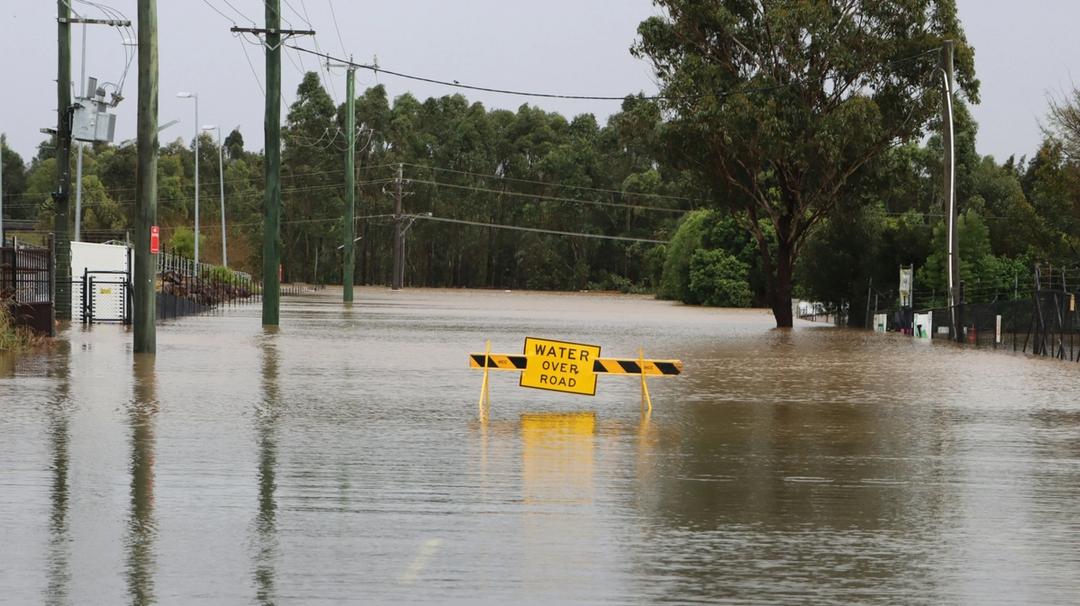
An emergency fund is where you set money aside for unexpected expenses like car repairs, home repairs, medical bills, or loss of income. Without an emergency fund, any financial emergency could put you behind on your finances. These expenses don't have to be large either.
Imagine you're getting ready to leave for work, but when you come out to your car, you realize that two of your tires are flat. This unexpected expense hit you hard because you had to pay for new tires and for the tow truck to bring your car to the repair shop. The money used to pay for that expense came with a cost — your cell phone bill.
When it comes to money, any unexpected expense can affect how much you're able to spend on others. With an emergency fund, you can prevent this from happening.
If you don't know where to begin or are unsure if you're in a financial position to start an emergency fund, don't worry.
In this article, you will learn:
- How to start an emergency fund
- How much you should have in an emergency fund
- Saving your emergency fund in a Pool
- How to save while living paycheck to paycheck
- Where to keep your emergency fund
How to start an emergency fund
Starting an emergency fund is easy. There are only 5 things you have to do to get started:
- Determine your savings goal — Determining your savings goal will help you understand how much you need to save and create a timetable for saving. When determining your savings goal, consider your monthly expenses and the number of people in your household. Having a goal will also help you stay motivated — you're not just putting money to the side aimlessly. Without a goal, you can find yourself slacking off on adding funds.
- Find the best way to save — Once your goal is determined, you can map out how often you need to add money to your emergency savings based on your income and cost of living. You can save daily, weekly, or monthly. Some people save whenever they make a purchase by putting aside a certain percentage of their expenses. Find out what's best for you and stick with it. Saving takes discipline and strong willpower, but there are strategies to help.
- Save the money you receive outside of work — There is probably a time of the year when you get an influx of money — for many people, this is income tax season. Anytime you get a large amount of money you wouldn't normally receive throughout the year, don't be too tempted to spend it all at once. Adding some of it to your emergency fund can help you quickly reach your goal. It may be difficult in the moment, but that is the discipline that saving requires.
- Set up Recurring Deposits — If you're having a hard time staying disciplined and manually adding money to your emergency fund, Recurring Deposits can help. Set a schedule and amount, and Pool automatically transfers funds to your Pool on a regular basis — taking the pressure off you. Just be sure to monitor your money by checking your transactions, the money coming in, and what you plan to spend. You don't want to find yourself with an overdraft.
- A goal achieved is a goal celebrated — You've been doing well with saving, and you reached your first goal. Congratulations! Now it's time to increase your goal and push for more. Before you do, don't forget to celebrate your success in a way that won't put a damper on your finances. This will encourage you to hit your next goal and the one after that.
How much should I have in an emergency fund?
How much you save in your emergency fund depends on your lifestyle and cost of living. When determining an amount, don't look at what other people are doing with their money — your financial goals are specifically tailored to you. Experts say that saving 3–6 months' worth of your expenses is a great goal.
When saving for your emergency fund, consider:
- What are your monthly expenses?
- How many people are in your household?
- How many people in your household contribute to the finances?
- Do you have other sources of income?
- What is the minimum you would need to cover your monthly expenses?
Saving your emergency fund in a Pool
When you're just starting your emergency fund, figuring out where to put it can get a bit difficult. Making a decision on opening a regular account, a savings account, or a credit union account can all be so overwhelming.
Here's how to start saving money for your emergency fund with Pool:
- Sign up at Poolmoney.com and create your Pool — It's free and takes just a few minutes to get started.
- Set up Recurring Deposits — Pool allows you to set up Recurring Deposits to automatically add money to your Pool on a schedule you choose. Pick the date, amount, and frequency, and Pool takes care of the rest.
- Invite others — When it comes to saving money, you don't have to do it alone. Pool lets you invite other people to join your Pool so you can save together. Members can contribute their part of the savings whenever it's required, see when contributions are made, view money spent, and be given spending permissions in the Pool.
- Save together when it makes sense — Some emergency funds are shared. Roommates may maintain a household emergency fund for unexpected repairs, and family members may save together for caregiving expenses. Pool allows multiple people to contribute to and manage a shared emergency fund in one dedicated place.
- Spending money on an emergency — When that rainy day you've been saving for happens, Pool makes it easy to spend what you've saved. Your free Pool debit card allows you to spend money directly from your Pool. Or if you need to pay a bill, use the account and routing number that comes with your Pool.
Because your emergency savings live in a dedicated Pool instead of your everyday spending account, it's easier to keep that money set aside for its intended purpose.
How to save while living paycheck to paycheck
You've probably been thinking it's impossible to save while living paycheck to paycheck. Once you get paid, the money goes directly to all your expenses, and you can't be bothered to put anything towards an emergency fund.
This is why saving money in a separate account is the best way to build your emergency fund. When you save with Pool, you can add money whenever you can. Little by little, your savings will grow — those little raindrops can make a mighty ocean.
Create a budget
Most people who live paycheck to paycheck don't create a budget because they feel like they already know where all of their money is going. Creating a budget can help you understand all your expenses so that you can easily cut out unnecessary costs and keep track of your spending.
Cut costs where you can
Give up one day of buying the $5 coffee you get every morning and contribute that $5 to your Pool instead. Cutting unnecessary costs can help you save money over time. Many people live above their means and don't even realize it until they take time to map out their expenses.
Add to your income
Adding to your income can be a small side hustle or a part-time job. Take on anything that can put some extra money in your pockets — sometimes your main source of income just won't cut it.
Renegotiate bills
Your bills will take up most of your expenses, but sometimes renegotiating them can help more than you know. If you're paying for cable, how much TV do you actually watch? Can you settle for one streaming service instead? Are you using all the features on your phone plan, or can you find a cheaper option?
Where to keep your emergency fund
Keeping your emergency fund somewhere safe and accessible is about discipline — putting the money somewhere you won't casually spend it, but can access it immediately when you need it.
Many people keep their emergency funds in a savings account, but there's a problem with that. Some accounts require you to transfer funds before spending, and there may be limits on how much you can transfer at a given time.
Keeping your money in a Pool is a great alternative. Pool allows you to spend whenever you want using the Pool debit card. You can spend directly from available funds in your Pool, helping you avoid the extra step of transferring money before making a purchase. If the money is there, it's available to use. Pool gives you the benefits of a separate account with the ease and flexibility of a dedicated Pool.
Start using Pool to save for emergencies
Saving doesn't have a tax bracket, and neither do emergencies. You don't want to find yourself helpless if something unexpected happens. Pool helps you save and manage your emergency fund easily — so when life throws you a flat tire, you're ready.